 editor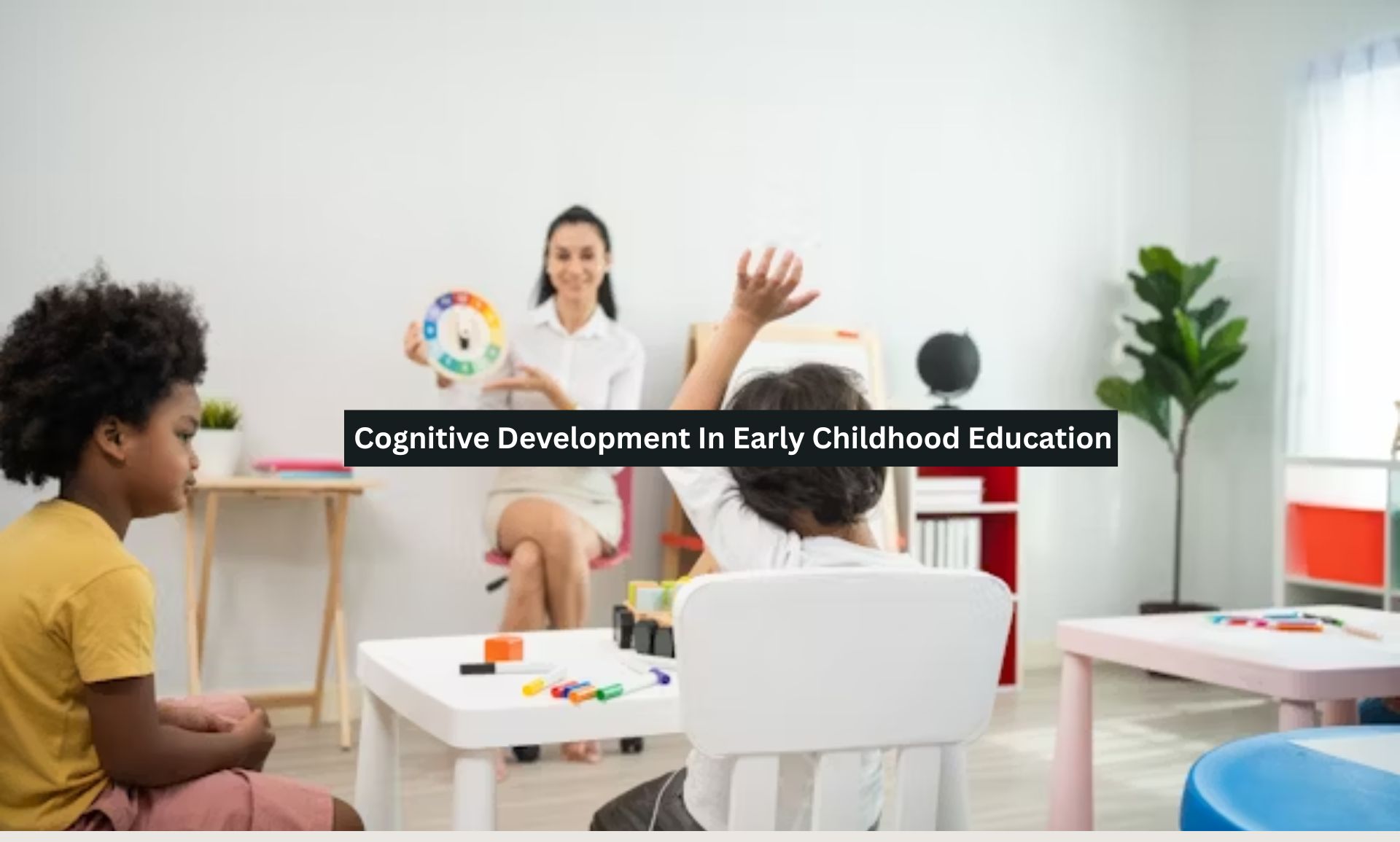
Children’s development relies heavily on early childhood education (ECE). It provides a strong foundation for later academic, social, and emotional growth.
During these formative years, a child’s brain is like a sponge, absorbing new information and experiences at a remarkable rate. According to VeryWellMind, this critical period of brain development brings rapid cognitive, emotional, and physical growth for a child. It paves the way for greater learning capabilities.
Early childhood education programs and ECE educators prove invaluable during this critical time, offering structured, creative environments to nurture the developing child. Children at this age gain the essential tools and skills they will require throughout their academic journey and life by participating in well-designed ECE programs. It is important to provide children with stimulating environments and projects to enhance their cognitive abilities during their preschool years.
Preparing For Kindergarten
A key benefit of early childhood education is the support it provides to prepare children for entering kindergarten. Many ECE programs teach children to reason by incorporating problem-solving tasks, which helps to develop their critical thinking skills.
Fostering Curiosity And Creativity
Effective childhood education also encourages children to explore their surroundings, which fosters curiosity and a sense of wonder. Imaginative play, such as pretending to be a doctor or a chef, allows a child to exercise creativity and develop an imagination.
Forms Of Play
In fact, a great deal of early learning takes place when young students are involved in different forms of play:
Hands-On Activities
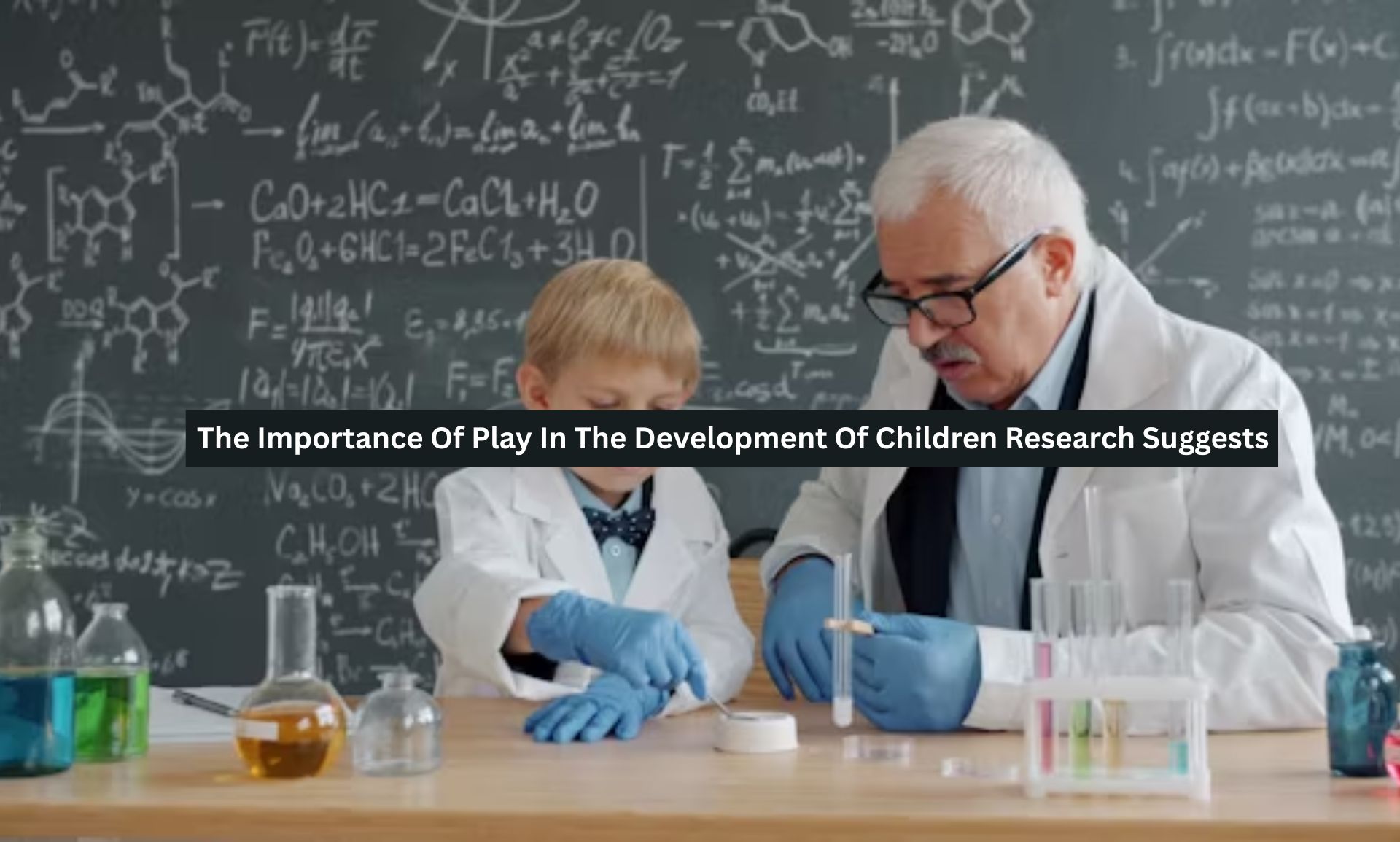
These activities involve sensory play, art projects, science experiments, and construction using building blocks. Such activities encourage exploration, creativity, and an understanding of basic scientific concepts.
Laying The Foundations For Literacy
A child’s early years lay the groundwork for more advanced literacy skills. During early childhood education, young students develop pre-reading abilities as they practice letter recognition and phonics, as well as building their vocabulary. Even at this young age, children are exposed to a rich language environment, which helps them learn how to communicate.
Long before they enter kindergarten, young students can begin to develop early math knowledge, such as counting, sorting, and recognizing shapes. This rudimentary knowledge supplies children with the necessary tools to sustain themselves academically as they eventually progress through school.
Language, Arts, And Music
Storytelling, reading, music, and dance: Reading and storytelling foster language skills, comprehension, and a love for literature. They also enhance imagination and listening abilities, while activities like singing, dancing, and playing simple musical instruments help young students to develop motor skills, rhythm, and self-expression.
Group Projects And Collaboration
Working together on projects teaches kids skills such as cooperation, problem-solving, and teamwork.
Cultural And Technological Exploration
Exploration of new cultures and languages: Activities that introduce children to different cultures, languages, and customs broaden their understanding of the world.
Technology games and apps: Integrating age-appropriate technology like educational apps and interactive games during playtime enhances learning and tech literacy, which is a practical skill in today’s digital age.
Boosting Social And Emotional Development
Social development is closely related to cognitive development. Young students who interact with their peers, share ideas, and collaborate on projects develop valuable social skills, including empathy, cooperation, and conflict resolution.
These social interactions further enhance cognitive abilities and contribute to children’s overall emotional well-being.
Recognizing Diverse Learning Needs
Young children in high-quality early childhood care are treated as individuals whose cognitive development is as individual as their personalities. Educators must understand the importance of creating inclusive environments that cater to the various learning needs of each child.
As a result, teachers should provide differentiated instruction, adapting their teaching methods and lesson plans to suit the learning styles of their students. Personalized teaching approaches ensure all children have the opportunity to thrive and reach their full cognitive potential.
Social And Emotional Development In Childhood
An early childhood education program should provide a safe, nurturing environment for young students to develop their social and emotional skills. This type of environment encourages interactions with peers, teachers, and caregivers to build meaningful social connections and relationships. By integrating collaborative play in early childhood education, young students also learn to share, take turns, and cooperate effectively, which are among the biggest challenges for young students to learn.
Early childhood educators can further promote students’ emotional growth by teaching them how to identify and express their emotions in a healthy manner. This way, they learn how to manage their feelings and resolve conflicts peacefully.
Acquiring the ability to manage emotions and resolve conflicts help contribute to children’s emotional intelligence, a necessity for successfully navigating relationships and developing strong social bonds at any age.
Influences On Development
A student’s social, emotional, and academic development are influenced by a number of factors. They include both direct and indirect influences that influence a child’s development as a whole. From the level of nurturing at home to the social and educational experiences at school, nearly every aspect of kids’ lives guides them either closer to or further away from becoming well-rounded and capable individuals. Recognizing this intricate interplay is of the utmost importance for caregivers and early childhood educators.