 editor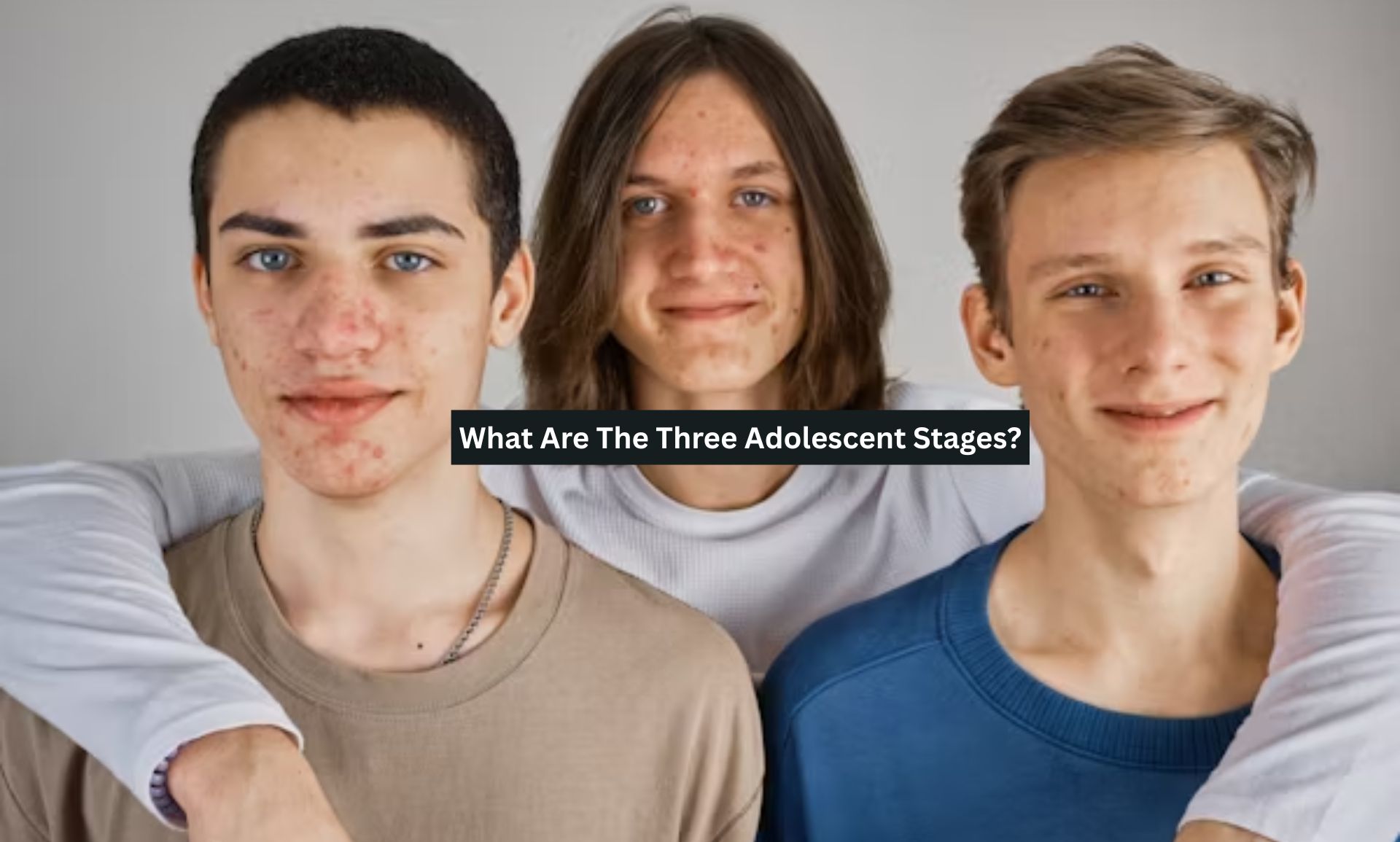
Early Adolescence (Ages 10 To 13)
Adolescence is the time in a young person’s life when they transition from childhood into young adulthood and experience physical, behavioral, cognitive, emotional, and social developmental changes.
These changes can start as early as age 8 for females and age nine for males. Girls may start their period around age 12. Body changes can cause both curiosity and anxiety. Children may question their gender identity during this stage, and it can be a challenging time for transgender children.
Cognitive Development At This Stage
Adolescents at this age typically have limited capacity for abstract thought and engage in concrete, black-and-white, all-or-nothing thinking. Thinking may be egocentric, and children this age may be self-conscious about their appearance and apprehensive about being judged by their peers.
Intellectual interests expand, and early adolescents develop deeper moral thinking. Pre-teens also feel an increased need for privacy. They explore how to be independent from their family and may push boundaries and react strongly when limits are enforced.
Middle Adolescence (Ages 14 To 17)
Puberty changes for both males and females continue. Males may have a growth spurt and some voice cracking as their voices lower. Physical growth for females slows and most have regular menstrual periods by this time. Interest in romantic and sexual relationships may start and teens may question and explore their sexual identity; masturbation may be a part of this sexual exploration and getting to know their body.
As teens strive for greater independence, arguments with parents may become more frequent. Less time is spent with family and more time is spent with friends. Teens become more self-involved, appearances are important, and peer pressure can peak at this stage.
During this stage, children may begin to set long-term goals and become interested in the meaning of life and moral reasoning. Despite the fact that emotions frequently drive decision-making and they may act on impulse without thinking things through, the brain continues to mature and becomes increasingly capable of abstract thought.
Late Adolescence And Early Adulthood (Ages 18 To 21 And Beyond)
This phase usually encompasses less physical development and more cognitive developments. Most have grown to their full adult height.
In this stage, young people become able to think about ideas rationally, have impulse control and can delay gratification, and plan for the future. They have a stronger sense of identity and individuality and can identify their own values.
They also experience increased independence, emotional stability, stability in friendships and romantic relationships, and may also establish an “adult relationship” with parents, looking to them less as authority figures and more as peers.
Common Adolescent Challenges
Do You Know This Young Lady?
She dresses perfectly, is popular with both boys and girls and everyone wants to be her friend. She also lies to make herself look better than others, spreads rumors just to look cool, and can be mean to those she doesn’t like.
What to do: Realize her behavior is designed to make herself feel more important by using others. Avoid her and be true to yourself. Hang out with those who appreciate you for who you are.
Busting Out
Puberty starts at different times for different girls. Every girl develops breasts — some will develop faster than you will and may be a different size than you will be. Girls who mature earlier or later than their peers may experience frustration. Sometimes you may feel anxious about your body.
What to do: Realize we are all different and be proud of yourself. Get help to make sure you get the right bra for your body. If you have questions about your body, talk with a parent, counselor, or teacher. Your friends are not always aware of the variety of ways your bodies may change.
Embarrassed Online
You open up your Facebook page and discover someone has posted a lie about you and your boyfriend. You and he are aware that it is false; however, what about everyone else?
What to do: Set up your Facebook account so only your real friends (not everyone you have “friended”) can see your page. If you are bothered by either kids or adults while online tell your parents and principal right away. Then set up a block so they don’t have access to your Facebook page.
You are anxious about volunteering the answer in class. What if you are wrong? It would be terrible and very embarrassing.
What to do: Realize everyone is nervous about making a mistake in front of others. But also realize each time you raise your hand and give an answer you are showing your strength. If you get the right answer, it’s an extra bonus. The more you try, the easier it becomes.
I Despise My Nose!
My nose looks like a bird’s beak! It’s always in people’s eyes, and I’m sure they’re laughing or talking about it behind my back. I need plastic surgery to fix it.
What to do: Surgery can change the look of your nose and face but you may find another reason to dislike your body — too small breasts, too many pimples, too short or too tall. Realize your friends like and admire you for who you are — not for how you look. After all, you like them for their loyalty and supporting you in tough times, and not because they wear a size 4 pair of jeans.
Left Out
My nose looks like a bird’s beak! Everyone is always looking at it and I am sure they are talking or laughing about it behind my back. Maybe you think, “I hate my nose when I smile.” I need plastic surgery to fix it.
What to do: Surgery can change the look of your nose and face but you may find another reason to dislike your body — too small breasts, too many pimples, too short or too tall. Realize your friends like and admire you for who you are — not for how you look. After all, you shouldn’t like them just because they wear size 4 jeans; you should like them for being loyal to you and helping you through difficult times.
Cyber Romance Realities
You have found someone online that really seems to understand you and wants to be your friend — and they want to meet you in person. That seems reasonable but you have a bad feeling about getting together.
Should you ignore your instinct?
What to do: Do NOT go! There are many people who enjoy harming innocent victims — both physically and emotionally. These people are wonderful at telling you what you want to hear and will often lie to gain your trust.